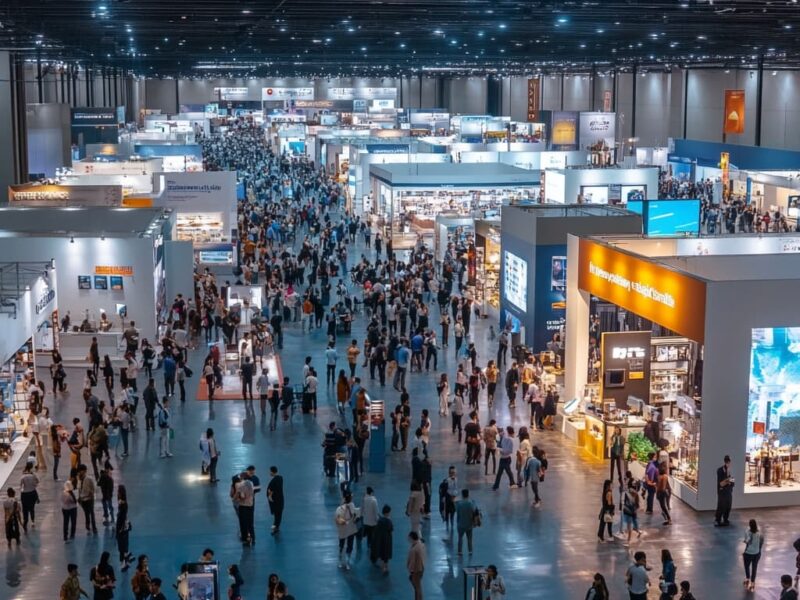
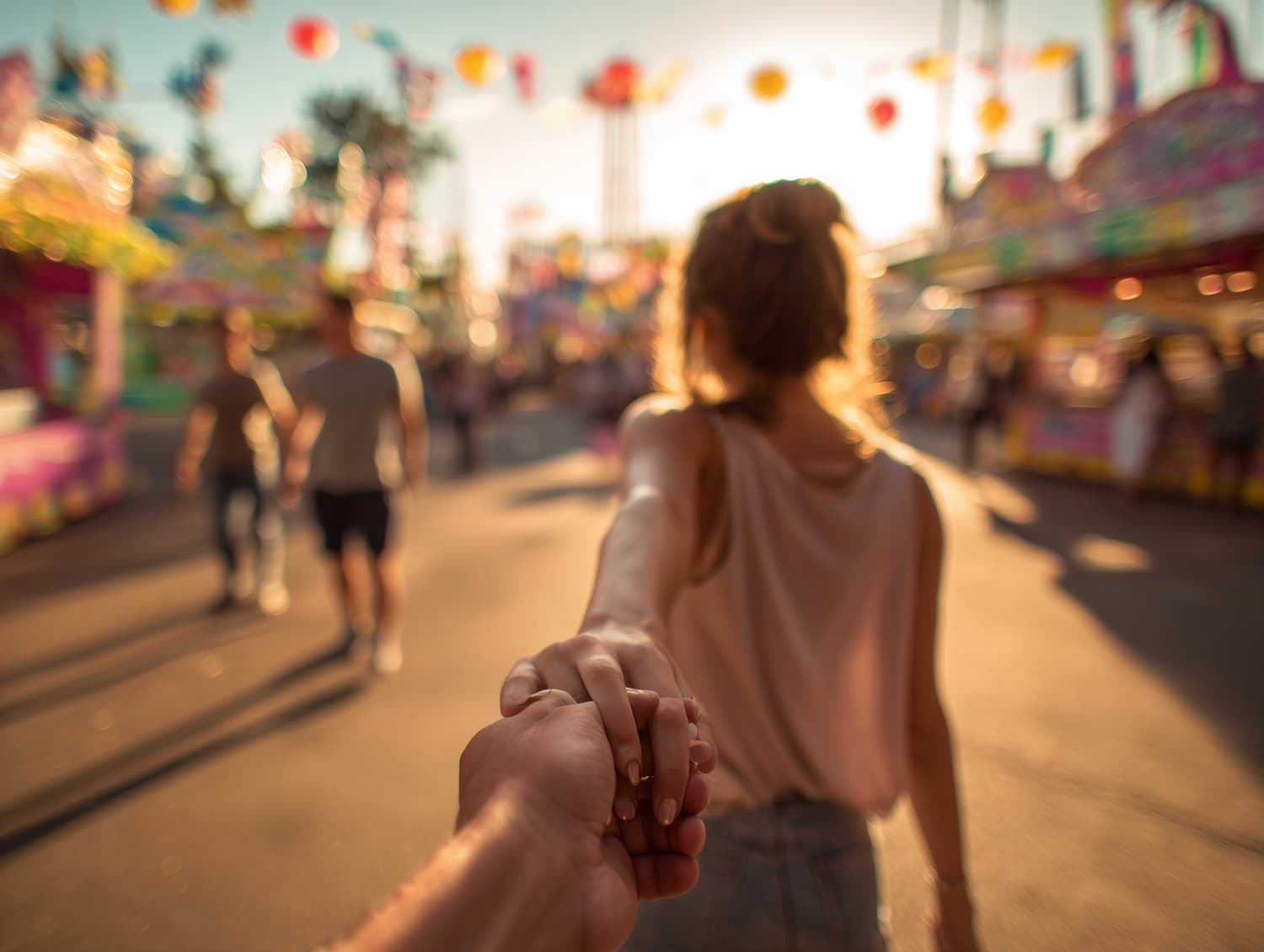
Every year, the same banners appear, the same rides creak into motion, and the same smells of fried dough and popcorn drift through the air. Yet despite the familiarity, or perhaps because of it, we go back. Whether it is a small-town agricultural fair, a bustling city street festival, or a traveling carnival, something about these recurring gatherings draws us in again and again. The answer lies not just in tradition, but in psychology. Fairs satisfy deep emotional needs that connect memory, community, and identity – they are rituals that make us feel alive and rooted at the same time.
Familiarity and the Comfort of Ritual
In a world that constantly changes, fairs offer stability. The repetition of sights, sounds, and experiences gives a sense of rhythm to our lives. Psychologists call this ritual reinforcement: the comfort derived from predictable, shared events that mark the passage of time.
When we step into a fairground, we know what to expect – the Ferris wheel turning slowly over the sunset, the hum of laughter, the games of chance, the music echoing from the main stage. These recurring elements activate a deep psychological association with security and belonging. Just as families have holiday traditions, communities have fairs that function as collective rituals.
Returning to a fair year after year reassures us that despite the chaos of the world, some things remain constant. The same stands, the same faces, the same fairground dust underfoot – all become anchors in the emotional map of our lives.
Nostalgia: The Sweet Taste of Memory
Few experiences trigger nostalgia as powerfully as a fair. For many people, fairs are tied to childhood – winning a stuffed toy, eating something messy and sweet, or watching fireworks with friends. Neuroscientific studies show that smells and sounds are the strongest triggers of autobiographical memory. When we walk past the cotton candy stand or hear the same fairground tune, our brain lights up with recognition, releasing dopamine and oxytocin – chemicals linked to joy and connection.
This nostalgic pleasure is not merely about the past; it shapes our present. Revisiting the fair lets us reconnect with earlier versions of ourselves. The rides may seem smaller now, the games less mysterious, but the feeling remains. The fair becomes a living memory we can re-enter whenever life feels too serious or distant from joy.
Community and the Collective Experience
Beyond individual nostalgia, fairs fulfill a social function. They are one of the few spaces where people from all walks of life gather without formal barriers. Farmers, artists, teenagers, retirees, families – all converge in the same place, temporarily equalized by shared enjoyment.
Sociologists describe this as communitas – a state of spontaneous togetherness that arises in festivals and public celebrations. In such settings, social hierarchies soften. The bank manager stands next to the baker, the mayor eats next to the musician. This suspension of daily structure creates a collective mood of openness and unity.
By returning to the same fair every year, people reaffirm their membership in a community. The fair becomes a social heartbeat – a pulse that reminds everyone that their town, however small or scattered, still has a soul.
The Thrill of Controlled Chaos
Another reason fairs keep drawing us back is the mix of excitement and safety they provide. From roller coasters to haunted houses, fairs offer adrenaline in controlled doses. The human brain loves novelty and mild risk – experiences that stimulate the release of adrenaline and endorphins without genuine danger.
This “safe fear” creates what psychologists call excitation transfer: the emotional high from thrill rides or games spills over into general happiness and bonding. That’s why couples often go to fairs for dates – the rush of excitement heightens connection and attraction.
Even activities as simple as tossing rings at a booth or guessing a prize weight trigger small bursts of competition and satisfaction. The fairground turns emotion into a game, letting us flirt with chaos in a world that usually demands order.
Identity and Belonging
Fairs are also expressions of local identity. They showcase regional food, crafts, animals, and traditions, creating a sense of pride. When people return each year, they are not just attending an event – they are participating in the ongoing story of their community.
The repetition builds a sense of ownership. “Our fair” becomes part of who we are. For newcomers, attending offers a way to belong; for long-time residents, it reaffirms continuity across generations. Many families mark time not by calendar months, but by the fair – “It was just before the fair,” or “We met at the fair that summer.” In this way, the event becomes part of the local language of memory.
Escaping the Ordinary
There’s also an element of escapism. Fairs transform familiar spaces into something extraordinary. A quiet field becomes a glowing city of lights; an empty parking lot fills with laughter and color. The transformation offers psychological relief – permission to step outside daily routines and embrace spontaneity.
In a culture obsessed with productivity, fairs remind us of the value of play. Games of chance, silly contests, costume parades – all give adults a socially acceptable way to let go. Children sense this freedom instinctively, but for grown-ups, the fair may be the only space where whimsy feels legitimate again.
The Cycle of Anticipation
Perhaps the most powerful psychological force behind returning to the same fair is anticipation. The annual cycle builds emotional momentum long before the first ride opens. Posters go up, memories resurface, and plans are made with friends.
Anticipation itself is rewarding. Studies show that looking forward to an experience releases dopamine even before it happens. The countdown to the fair becomes a small celebration of hope and continuity. When we finally arrive, we are not just attending an event – we are fulfilling a promise made to ourselves.
Continuity Through Change
Even as fairs evolve – adding new rides, digital payment systems, or sustainability initiatives – their essence remains the same: a gathering of people celebrating simple joys. In this balance of change and permanence lies their lasting psychological appeal.
Each return visit offers a blend of old and new – a familiar structure refreshed by small surprises. The fried dough tastes the same, but the band is different; the rides sparkle with new lights, yet the same Ferris wheel stands tall. This interplay mirrors our own lives: we change, but we crave something that doesn’t.
The Fair as a Mirror of Life
Ultimately, our attachment to fairs reflects our deeper human need for rhythm, belonging, and meaning. We return not just to relive memories but to renew them. Every year, the fairground becomes a stage where time folds in on itself – where past, present, and future coexist for a few fleeting days.
When the lights fade and the tents come down, what stays is more than nostalgia. It’s the reassurance that joy can be repeated, that community can endure, and that life – even with all its uncertainty – still offers moments of pure, shared wonder.
And so, when the next summer arrives and the first posters appear, we know exactly where we’ll be: back at the fair, walking the same paths, chasing the same lights, and finding ourselves again in the crowd.